I remember Rise of the Tomb Raider being considered a pretty big deal back in 2015. It was a very weird period for gaming, when both Sony and Microsoft decided to pay for third party exclusivity in an effort to bolster the libraries of their still relatively new (and, at that time, somewhat underwhelming) PlayStation 4 and Xbox One consoles. Sony had Street Fighter V, while Xbox had Rise of the Tomb Raider.
Just like the 2013 reboot, I never played it at launch. I would only finally get my hands on the game a whopping eleven years later, through a brand new Aspyr developed port for the Switch 2 of all things. Once a flagship AAA title, a best-selling juggernaut, how does Rise of the Tomb Raider fare in this day and age?
I guess things were a lot different eleven years ago. Back in 2015, the term “AAA” wasn’t nearly as divisive as it is today. Hell, loot boxes still weren’t a thing. What a time to be alive.
A game like Uncharted 4 or Rise of the Tomb Raider ironically enough, two extremely similar games released within months of each other) could earn tons of end of year awards simply by being a traditional action adventure packed with basic combat, basic platforming, and basic puzzle solving, all wrapped in an admittedly gorgeous coat of paint by 2015 standards. Uncharted 4 would at least experiment with pseudo open stages, for instance. Rise of the Tomb Raider feels more… basic. Ironically, considering it belongs to the older franchise, it’s the one that feels like it’s desperately trying to catch up with its younger sibling.
This trilogy’s depiction of Lara is just absolutely insufferable.
As a sequel to the 2013 reboot, Rise of the Tomb Raider retains the visceral nature of its predecessor, as well as its brutal treatment over its protagonist. Lara gets hurt more often than Tom in a seven minute Tom & Jerry episode, or Johnny Knoxville in the entirety of his Jackass career. One thing that bothered me to no end about Rise of the Tomb Raider were the constant (and I do mean CONSTANT) shouts of pain poor Lara would utter due to how sadistic the game treated her. The script and her inner monologues were already too irritating to deal with; that just felt like the icing of dirt on a dusty cake. I wanted to play the game on mute at times. A shame, considering the actually good soundtrack.
It’s locked at 30fps, but that’s not an issue, to be honest.
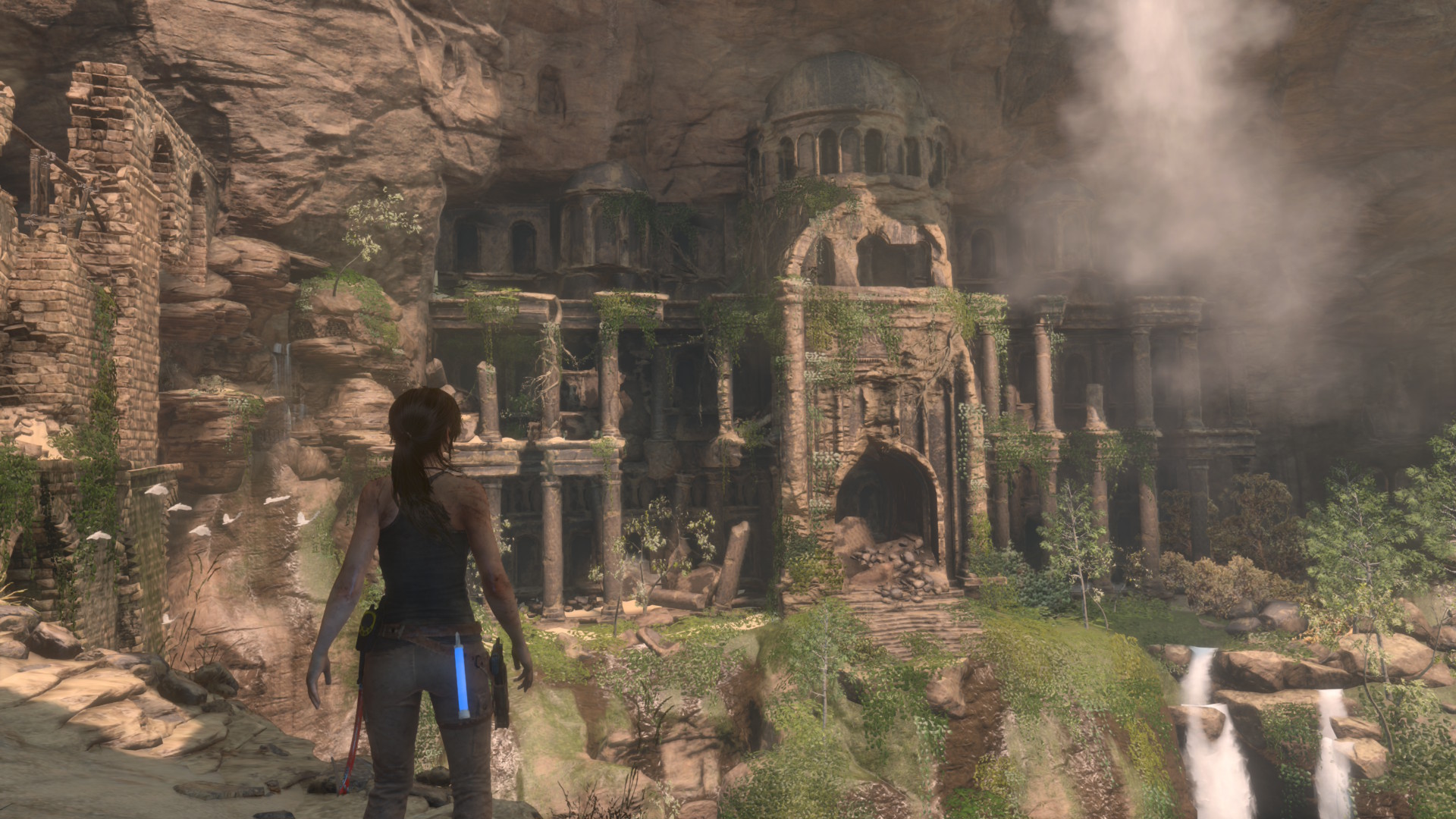
I can’t complain about Aspyr’s porting skills in this particular version of Rise of the Tomb Raider. It’s a really good-looking game from the previous generation, with all of its visual qualities kept as they were. It runs at a locked and harmless 30fps, be it on portable or docked modes. In this case, you can either choose to better appreciate the graphics on docked mode, or take advantage of the Switch 2’s variable refresh rate to make the frame pacing a bit smoother. Regardless of that, we’re talking about zero bugs, zero performance issues, fast loading times, and all previously released DLC added to the package.
Rise of the Tomb Raider is a victim of the gaming industry’s changing trends. Eleven years ago, a AAA game like this might have felt fresher and more exciting. Nowadays, after years of market saturation and a broader shift in how AAA gaming is perceived, it simply doesn’t feel as entertaining as it once might have. Rise of the Tomb Raider ultimately comes across as a formulaic action adventure game, not bad by any means, but certainly not amazing either, saddled with a terrible and obnoxious depiction of one of gaming’s most iconic female protagonists.
Locked at 30fps, but this is not the kind of game that requires a faster framerate. I wish there was an option, however. As for the visuals themselves, yep, it’s a good looking game… from 11 years ago.
Very basic AAA action adventure mechanics and controls. Basic combat, very basic platforming, but there is the occasional half-decent puzzle solving.