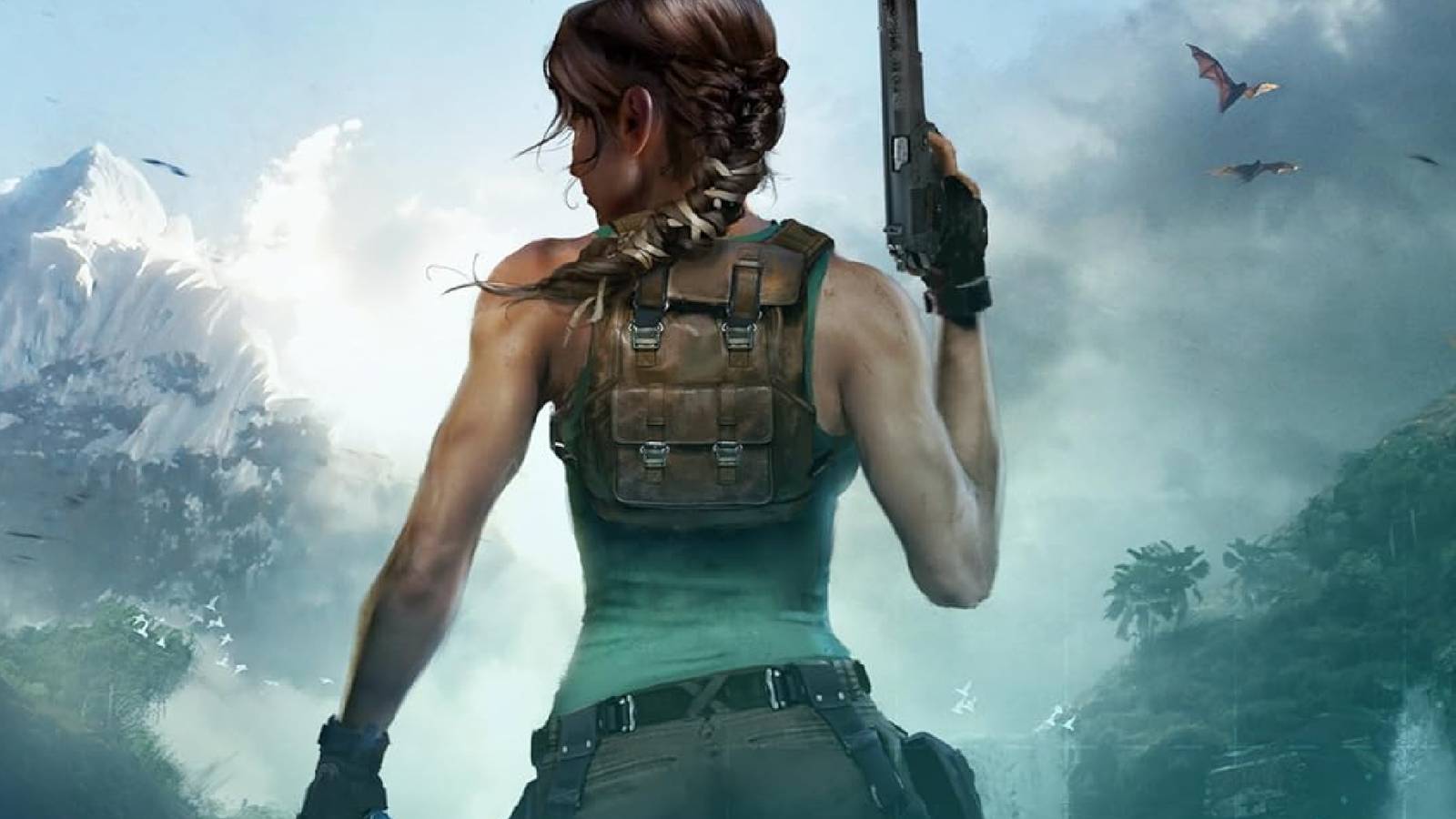
Tomb Raider I-III Remastered hits you first in the ears: the splash of water in the Peruvian caves and the crunch of Lara’s boots on polygonal stone now sound tighter and cleaner than on a dusty PlayStation in the 90s. The collection is Embracer Group’s most visible attempt to squeeze new revenue out of the classic Tomb Raider catalog.
In February 2024, Crystal Dynamics and Aspyr released Tomb Raider I-III Remastered as a digital collection that combines the first three Tomb Raider games with all official expansions on PC, PlayStation 4 and 5, Xbox One, Xbox Series X/S and Nintendo Switch.
The package contains Tomb Raider (1996), Tomb Raider II (1997) and Tomb Raider III (1998), plus the add-ons Unfinished Business, Gold: The Golden Mask and The Lost Artifact, which were previously only available on PC.
Technically, the remaster keeps the original level geometry but overlays it with higher-resolution textures, improved lighting and character models that introduce more rounded shapes without erasing the iconic 90s look. Players can switch between the remastered and original visual mode at any time with a single button press.
Control-wise, Aspyr added a modern analog control scheme similar to contemporary third-person adventures, while keeping the rigid “tank controls” as an option for purists. That makes precision jumps less frustrating on modern controllers, especially on the Nintendo Switch’s smaller sticks.
When Embracer bought Crystal Dynamics, Eidos-Montréal and the Tomb Raider IP from Square Enix in 2022, group CEO Lars Wingefors explicitly highlighted Tomb Raider as one of the “crown jewels” in the portfolio. The deal valued the Western studios and IP package at around 300 million USD.
Since then, Embracer has pushed to monetize the brand across licensing, a new mainline Tomb Raider game with Amazon Games, and re-releases like Tomb Raider I-III Remastered. For a group under restructuring pressure, every mid-priced catalog product that reliably sells across platforms matters.
At launch, Tomb Raider I-III Remastered sold digitally for around 30 EUR in Europe and 29.99 USD in the US, placing it firmly in the mid-price range between indie remasters and full new releases. The collection is available via PlayStation Store, Microsoft Store, Nintendo eShop and PC storefronts.
Embracer and Aspyr also offered a physical edition for consoles in select markets, handled by Limited Run Games, which caters to collectors who want discs and small extras like art cards or manuals. That segment is small in volume but carries attractive margins for a remaster with already amortized development costs.
On review aggregator Metacritic, Tomb Raider I-III Remastered received generally favorable scores around the mid-70s to low-80s depending on platform. Critics praised the ability to switch graphics modes on the fly and the faithful preservation of level layouts, while noting some camera quirks and dated puzzle design.
On Steam, early user reviews leaned positive as well, although players occasionally criticized minor bugs and the fact that the remaster does not fundamentally overhaul movement systems or enemy AI. For Embracer, that balance is intentional: low-risk polish instead of costly re-imagining.
Embracer lets Crystal Dynamics, led by studio head Scot Amos, focus on the future of Lara Croft with a new Tomb Raider title, while port specialist Aspyr takes care of legacy content like Tomb Raider I-III Remastered under the group umbrella.
According to Aspyr’s communications, the team worked closely with original assets and documentation to ensure that timing-sensitive platforming and secret placements remain intact. That close collaboration keeps veteran fans on board and reduces the risk of backlash that often hits remasters which change too much.
Embracer has publicly acknowledged that it is streamlining its portfolio, cutting projects and considering asset sales to reduce debt.