After 2013’s reboot of Lara Croft‘s adventures landing on Switch, its 2015 sequel arrives to Nintendo‘s handheld in its “definitive” form – this time, solely on the newest generation console by ‘the big N‘. This is DayOne‘s impressions of Rise of the Tomb Raider: 20 Year Celebration, tested on Nintendo Switch 2!
You may wonder why is this edition of the game called “20 Year Celebration“, when 2026 is notably Tomb Raider’s 30th anniversary. No, it’s also got nothing to do with the 20th anniversary of Tomb Raider Legend – which was the current mainline developer Crystal Dynamics‘ first foray into the franchise, after the 6 classic games developed by Core Design. It is merely the name of the 2016’s “definitive” edition of the game, packing all the post-launch DLC, exclusive celebratory content and whatnot. So Switch 2 owners can celebrate Lara Croft‘s 20th anniversary… a decade late.
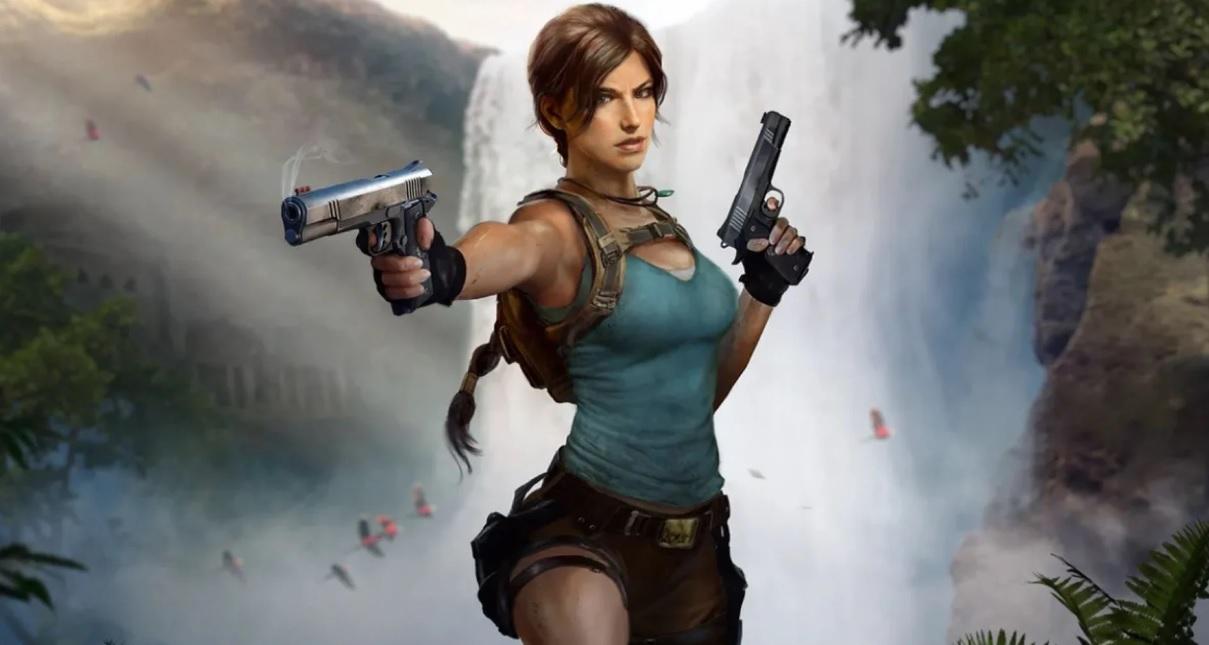
But no matter – what sort of Tomb Raider is this one, anyway? Rise of the Tomb Raider is the eleventh mainline chapter and, as said, the second part of the reboot trilogy started in 2013, with it often being considered to be one of the highlights of the entire franchise. Following the events of the previous game, British archeologist Lara Croft takes a trip to Siberia, in an attempt to prove his discredit father’s works to have been legitimate all along. This leads her towards the legendary Divine Source, granting immortality – a tool that, not so surprisingly, is also seeked by far more nefarious people.
With this premise starts Lara‘s adventure, one combining many of the trends of 2010’s gaming. Open-ended hubs to explore, materials to gather to craft arrows and other utilities, a lot of exploration, plenty of puzzles, but also high octane action sequences and a very cinematic presentation. Throughout some still quite breathtaking Siberian landsapes full of snow, Lara has to cross various complex dungeons, incredibly adverse weather conditions, while also having to gun down many foes and wild animals in the process. Just the average day in the life of an archeologist!
But how does the Nintendo Switch 2 version hold up, in particular? The answer is… alright, but could have been a lot better. Rise of the Tomb Raider looks much better than Tomb Raider (2013) does – with far more expansive locations, more convincing light effects, a lot of nice details like dynamic snow and so forth. It does come at a cost though – with the game being locked to 30fps on Nintendo‘s console, unlike the previous game which ran at 60fps on the Switch 2. That’s a pretty disappointing setback, though perhaps future patches could still increase the framerate – it has happened to plenty of other games before, after all.
That limitation aside, I’ve found this port to be pretty good. Native 1080p across the board, which looks very sharp in handheld mode, with no framerate dips or major glitches or issues I’ve encountered. Battery life also seemed quite average for the console’s standards, with me being able to play this game for a good two and a half hours or so before I’d start looking for my charger. As said, this edition of the game also packs all the excellent post-launch content – including the memorable Baba Yaga: The Temple of the Witch and Blood Ties, largely set in the iconic Croft Manor. Even the Joy-Con Mouse mode is supported in the game, though this is definitely a game designed for controllers in mind.
All in all, Rise of the Tomb Raider: 20 Year Celebration on Nintendo Switch 2 is a competent port of the definitive version of one of Lara Croft’s finest adventures. The lack of a 60fps mode is a bummer, but other than that, this is a great way to experience a memorable adventure in Siberia, with the lengthy campaign, the DLCs and the many challenges that could keep you busy for dozens and dozens of hours. Let’s hope we also get Shadow of the Tomb Raider pretty soon for the system – the final, somewhat forgotten entry of the trilogy.