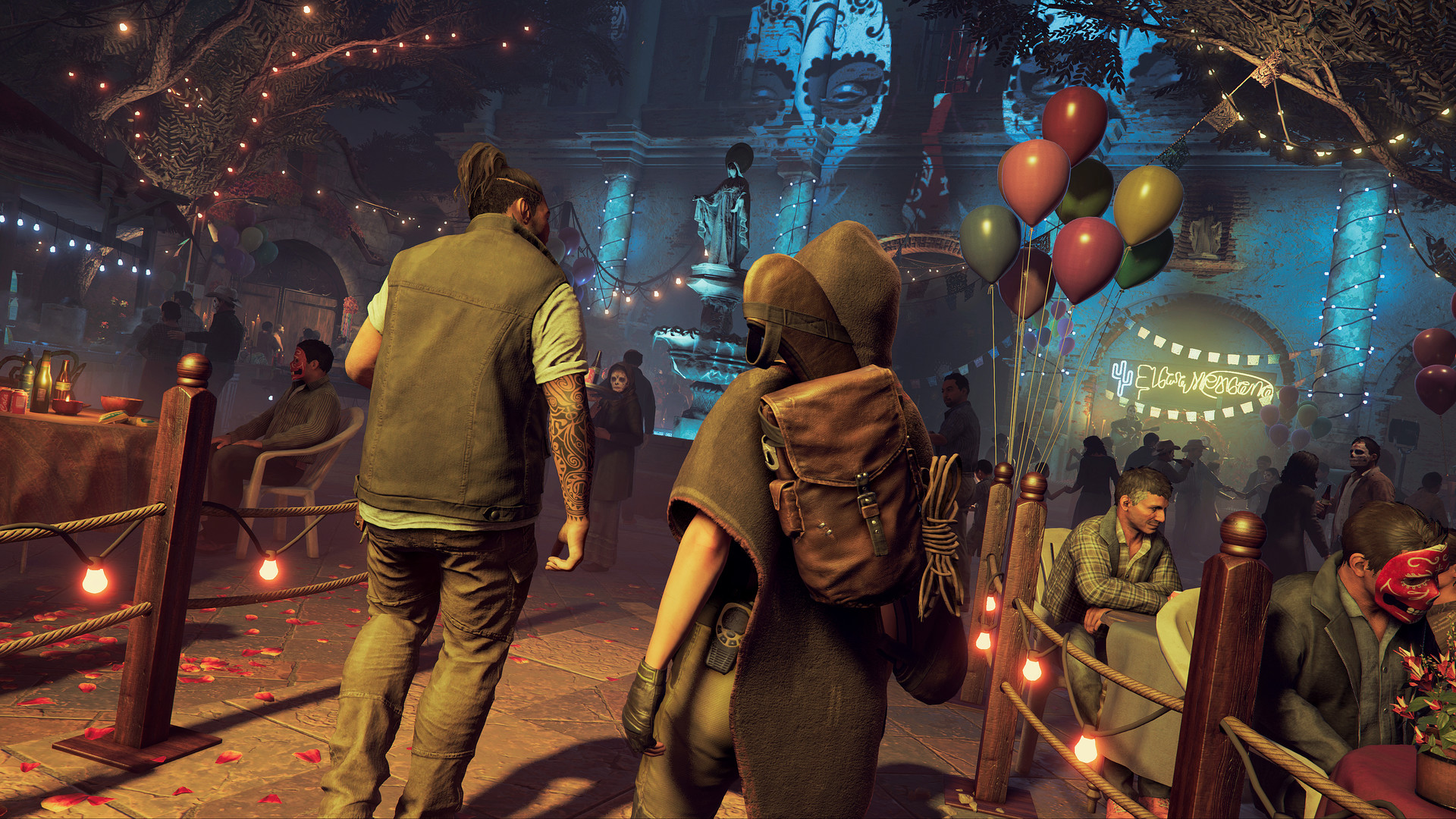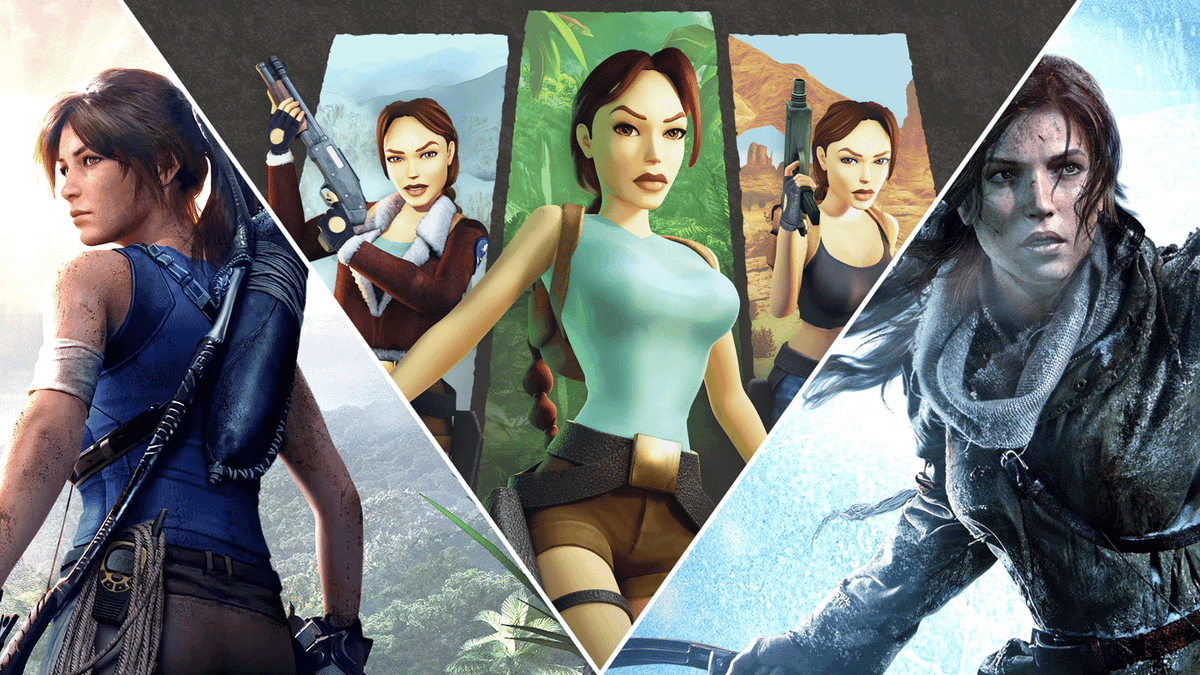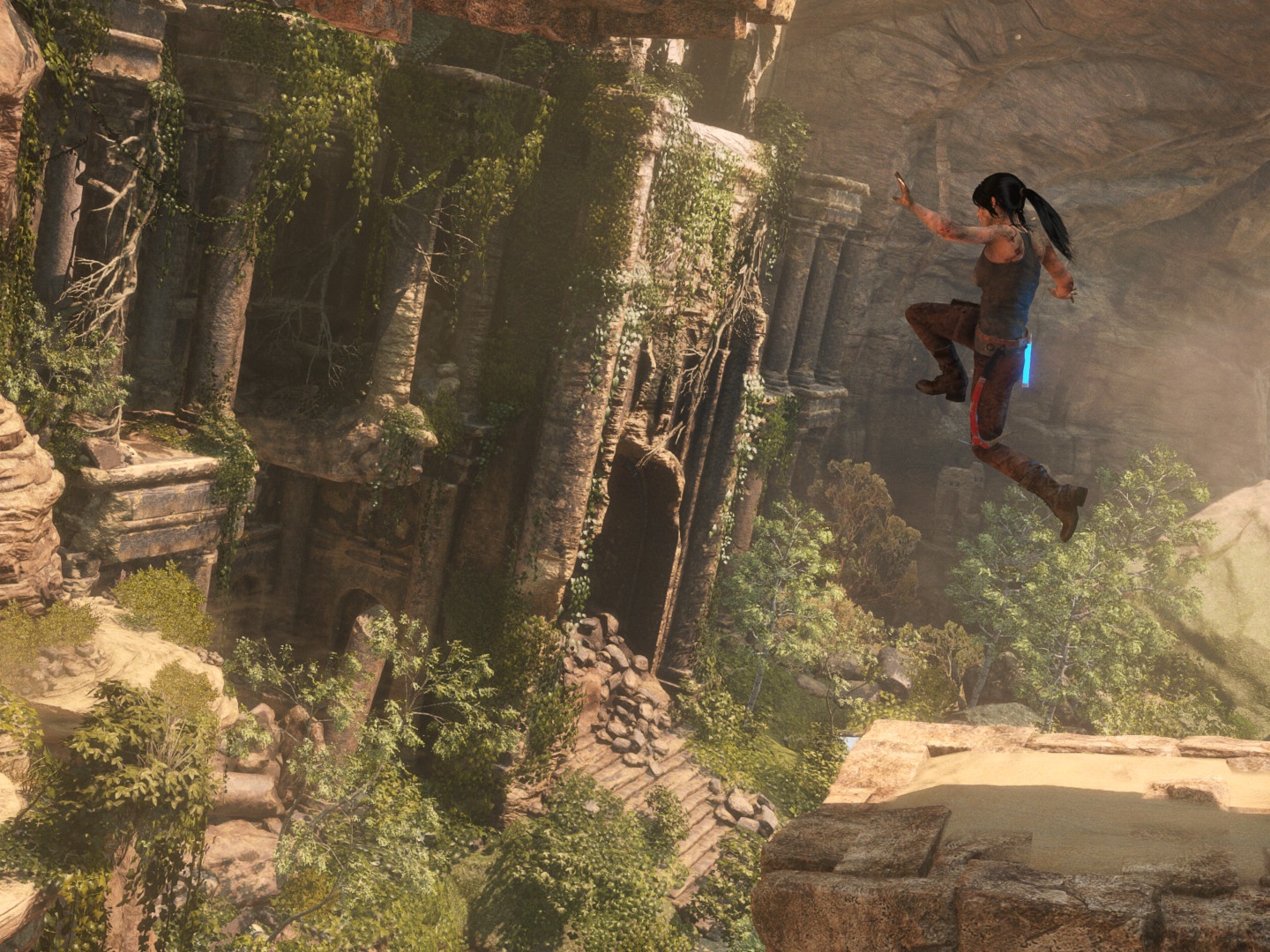
Her body has sometimes spoken louder than her adventures… Since Tomb Raider first hit in 1996, Lara Croft has occupied a unique space: she’s both the character you control and the image you watch. Yet, between the daring explorer players guided and the Lara that advertising campaigns highlighted, the focus didn’t always land on the same qualities—her feats sometimes took a backseat to her physique. In the game, she explores, decides, and fights. In promotion, her silhouette and her allure often took center stage. The 30 years of the franchise, celebrated on October 24, 2026, offer a chance to revisit this image and to explore what those transformations reveal about our heroines.
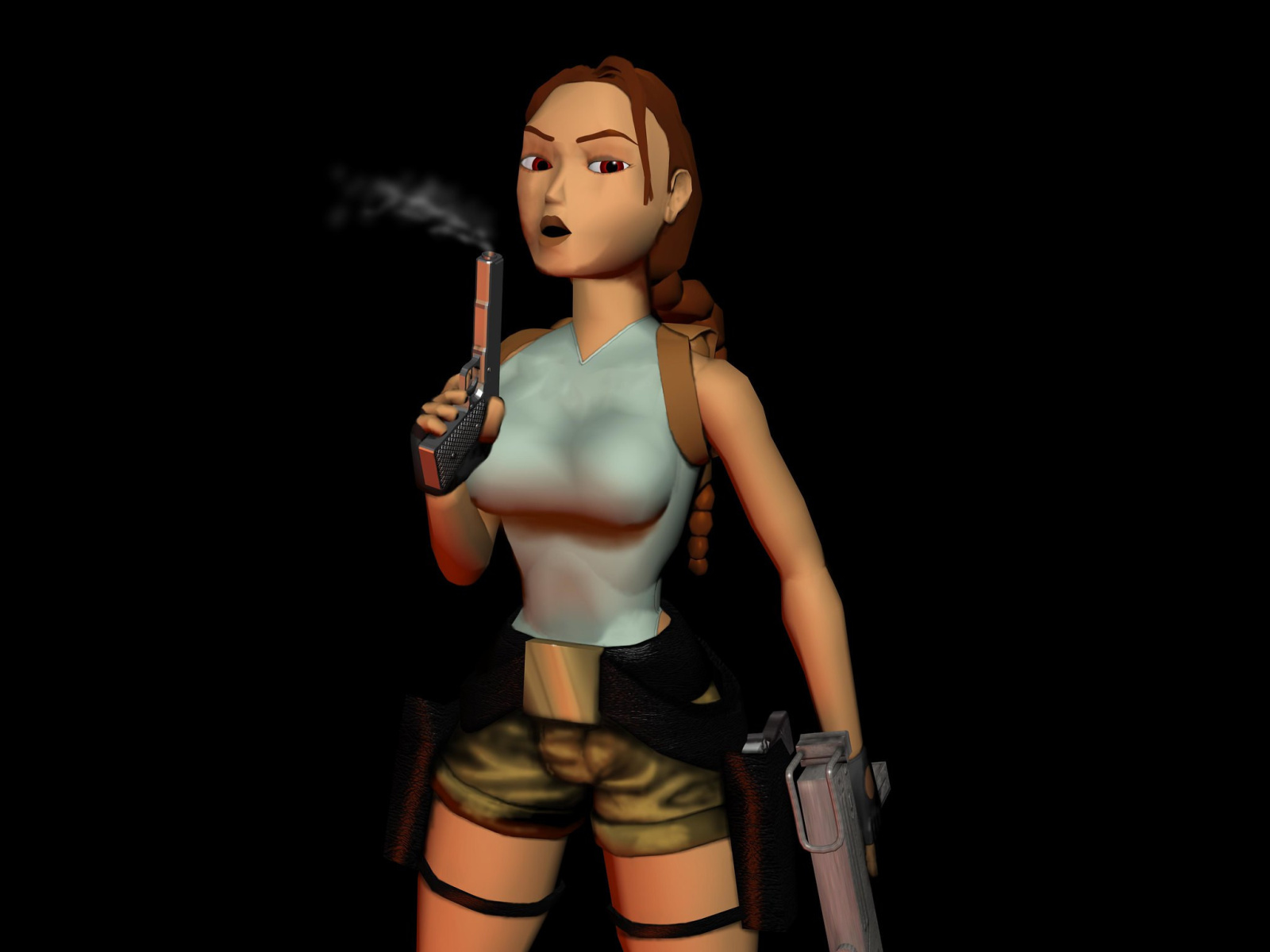
These two sides of Lara Croft have been present since the very first game. Her exaggerated figure, tank top, and tight shorts make her instantly iconic. But she’s also the one driving the action, charting her own path and facing the dangers head-on. No partner swoops in to take command or save her at every turn. That independence explains a good portion of her appeal: you can critique how her body is portrayed and sexualized while still enjoying playing a fearless, self-reliant heroine who handles everything on her own.
Toby Gard, the creator of Lara Croft, has also distanced himself from the image used to market the games. In a 2006 interview with Pixelcreation, he explains that this promotional persona didn’t match the character he had envisioned: a refined, dangerous, and unpredictable woman. Campaigns that fixated on her looks ended up sidelining her personality, her movements, and her skills.
In Tomb Raider, Lara explores tombs, solves puzzles, and escapes from dangerous situations. On some posters, magazine covers, and other ads, her curves and provocative poses become the main selling point for the game. This choice reduces the heroine to her appearance. The fact that she’s strong and independent in her adventures doesn’t make this portrayal any less reductive.
For players—both male and female, a touch respectful of women, though that’s our own take—Lara represents far more than a marketing silhouette. We also remember her humor, her confidence, and the hours spent finding a way out or nailing a jump with her. This bond is built while playing, through what she does and what she lets us accomplish. It’s a significant part of the character that campaigns focused on her body tended to overlook.
The 2013 Tomb Raider reboot, which restarts the origin story, marks a clear shift in how Lara is depicted. At Crystal Dynamics, art director Brian Horton says the aim was to craft a more credible young woman facing a survival ordeal. Her face, proportions, and wardrobe are redesigned. Some familiar anchors remain, however, notably her brown eyes and tied-back hair, so this new version stays recognizable.
Tomb Raider turns 30: how Lara Croft changed the rules of the game
Top picks of the week: October 19–25, 2026 in Paris and Île-de-France
Change goes beyond the look. Lara is scared, hurts herself, and wears thin, signaling fatigue. Her face and actions must convey what she’s going through, where the old heroine wore an unwavering confidence. Players now steer a young woman who’s still learning how to survive. Each success feels different: it marks the growth of an adventurer who isn’t in full command just yet.
Yet this approach alone doesn’t settle the character question. Piling up injuries isn’t enough to make a heroine more interesting, any more than a pair of pants automatically gives her more backbone. What matters as well are her wants, her decisions, and the consequences of her actions. A nearly invincible woman can still have a rich personality; another might endure a lot without the story giving her much to say or decide.
Rhianna Pratchett, the writer of the 2013 game, explained that the seasoned Lara, already very experienced, left less room for a story in which she still had a lot to learn.