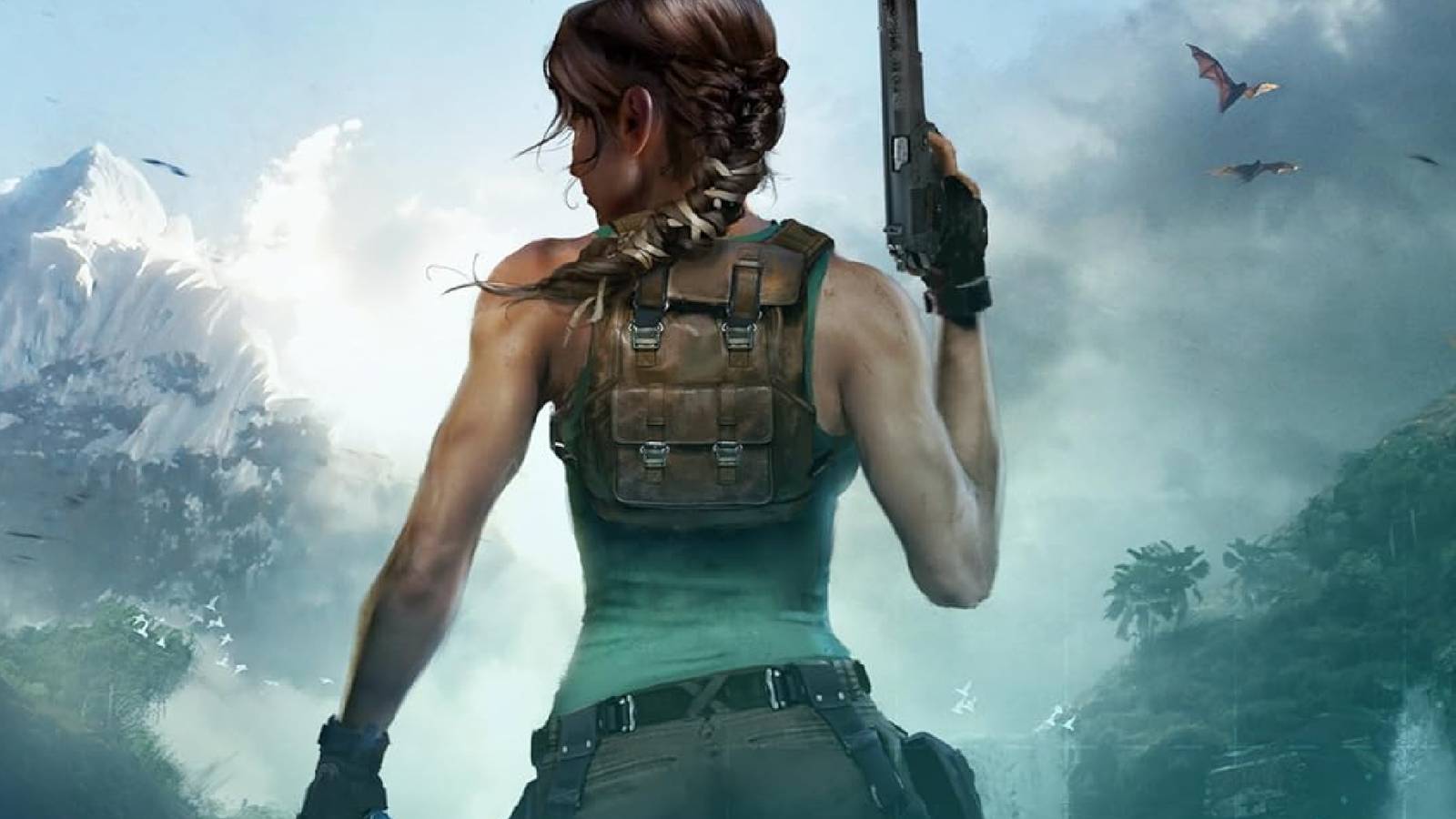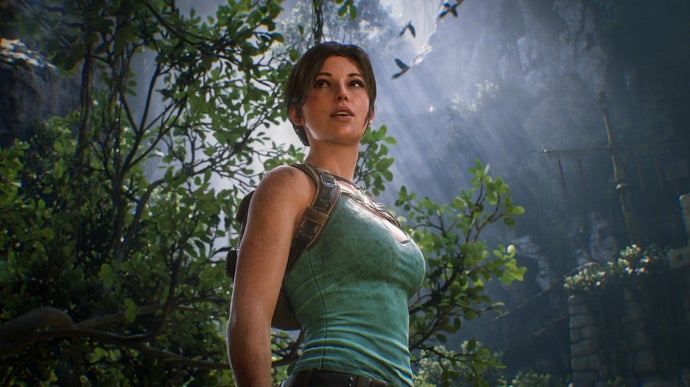
Crystal Dynamics has paired its new Tomb Raider direction with a remake of the original 1996 game, Legacy of Atlantis, co-developed with Flying Wild Hog and now slated for February 2027 after a recent delay. It follows Tomb Raider Catalyst, the separate Unreal Engine 5 entry set at the far end of the franchise timeline, and arrives as Lara Croft approaches her 30th anniversary.
For developers, the interesting part is the remake philosophy: this is being treated as a preservation-plus project rather than a replacement. The team is rebuilding iconic locations like Peru with modern tech, but also reworking puzzle context, traversal, and encounter pacing so the game reads as a contemporary action-adventure instead of a museum piece. That puts the usual remake tension front and center: how much can you expand without losing the original’s identity?
Crystal Dynamics says the project is intentionally faithful to the 1996 game and its 2007 Anniversary remake, while still adding new collectibles, extra puzzle beats, and broader environmental detail. The studio also says generative AI is being used only for early prototyping, with all finished content created by humans. In a year crowded with remake announcements, Legacy of Atlantis is another reminder that the hard part is not visual fidelity, but deciding what to preserve, what to reinterpret, and how to make old design assumptions work in a modern production.
Faithful remake is promising, but AI use and delays may raise concerns.